Compare Local Contractors for Reliable Patio Sealing Services
Compare local contractors for patio sealing to define project scope, verify experience, and set clear expectations for a successful job.
Patio sealing is a process that typically involves applying a protective coating to outdoor surfaces such as concrete, stone, or pavers. This work aims to enhance the durability of the patio by creating a barrier against moisture, stains, and general wear. Proper sealing can help maintain the appearance of the surface over time, preventing cracks, discoloration, and surface deterioration. When selecting a contractor for this service, it’s important to understand the scope of work, which may include surface cleaning, surface preparation, the application of sealants, and sometimes minor repairs. Clarifying these details upfront ensures that property owners and contractors are aligned on what the project entails.
Defining the scope of patio sealing work is a key step in the process because it helps set clear expectations and prevents misunderstandings. A detailed scope of work typically specifies the type of sealant to be used, the areas to be treated, surface preparation procedures, and any additional services like crack filling or surface cleaning. Having these details in writing can serve as a reference throughout the project, reducing the risk of disputes and ensuring that the work meets the property owner’s needs. It also allows property owners to compare different local contractors based on the services offered, experience, and approach, making it easier to select a provider who aligns with their project requirements.
Property owners can compare local contractors for patio sealing by reviewing their experience with similar projects, verifying their familiarity with various surface types, and assessing their reputation within the community. It’s helpful to ask for references or examples of completed work, as well as to confirm that the scope of work is clearly outlined in a written agreement. Comparing the level of detail in proposals, the thoroughness of surface preparation, and the types of sealants used can provide insight into the professionalism and quality standards of each service provider. Taking the time to evaluate these factors ensures that property owners can make informed choices when selecting local contractors for patio sealing, leading to a smoother project and a better final result.
Compare local contractors by outlining your project priorities, verifying experience, and clearly defining scope and expectations.
- Verify Experience and Credentials - Ensure contractors have relevant experience in patio sealing projects to meet specific needs.
- Define Scope in Writing - Clearly outline the work to be performed, including surface areas and sealing materials.
- Compare Multiple Service Providers - Review qualifications and service details to select the most suitable local contractors.
- Set Clear Expectations - Communicate project requirements and outcomes to ensure mutual understanding before work begins.
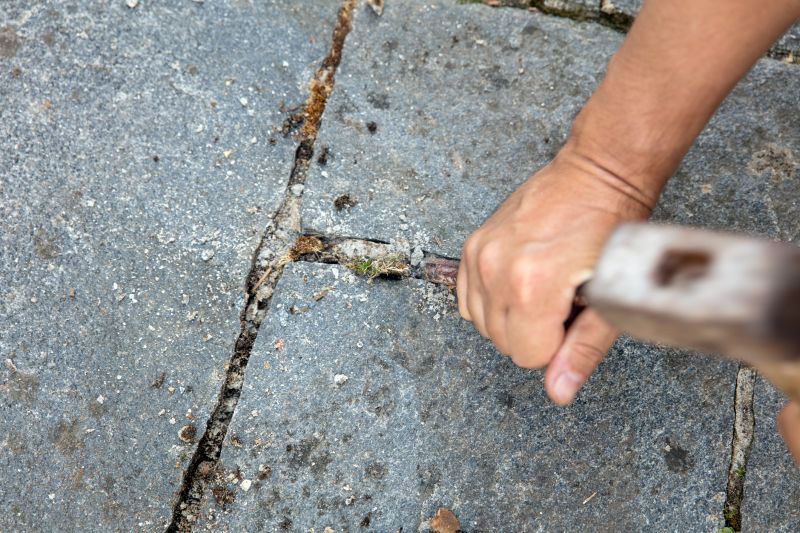
Clearly describe your patio sealing project to effectively compare local contractors, verify experience, and set expectations in writing.
- Verify experience in patio sealing to ensure contractors are knowledgeable about different surface types. - Look for service providers who clearly define the scope of work and materials used in their proposals.
- Compare multiple local contractors to assess their methods and the products they recommend for sealing. - Ensure that the scope of the project, including surface preparation and sealing process, is outlined in writing.
- Check for reviews or references that speak to the quality and durability of previous sealing projects. - Confirm that service providers have experience with similar patio surfaces and conditions.
- Ask contractors to explain the sealing process, including surface preparation, application, and curing times. - Make sure all expectations and responsibilities are documented before work begins.
- Assess the communication skills of local contractors to determine their ability to answer questions and provide clear information. - Ensure that all project details, including scope and materials, are agreed upon in writing before work starts.
Compare local contractors’ experience and clarify project scope to ensure successful patio sealing.
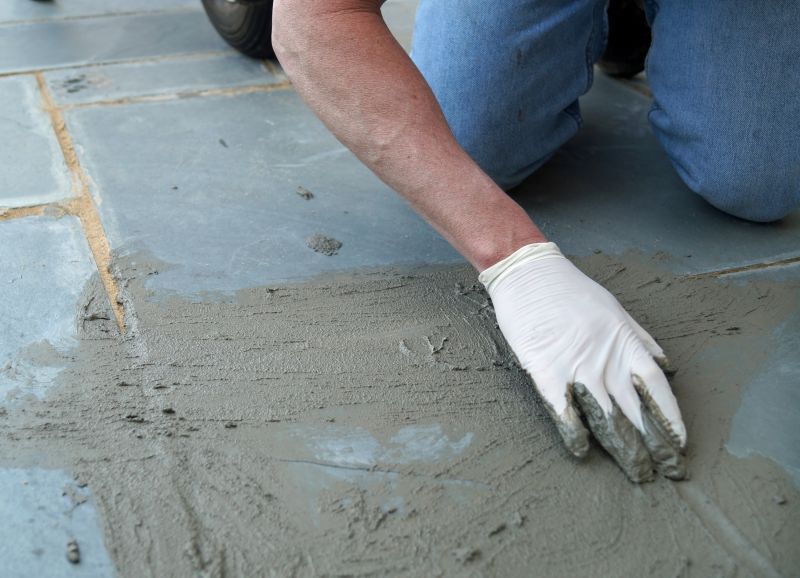

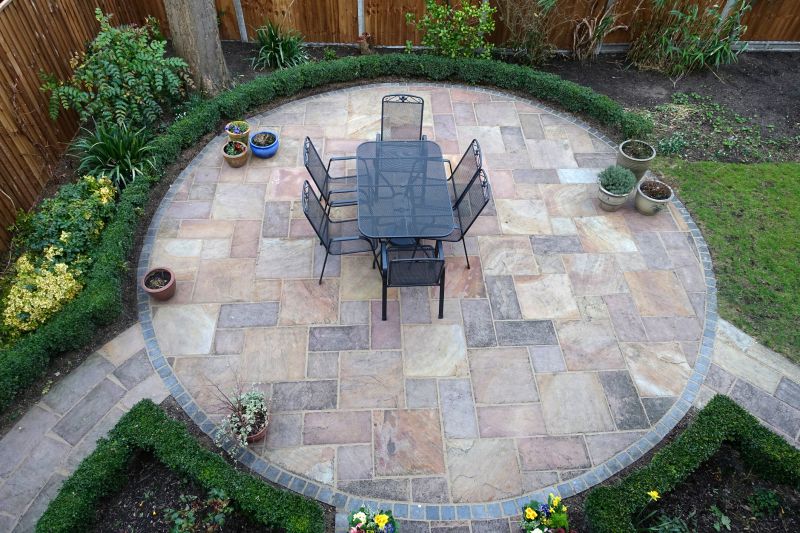

Use clear scope definitions and verify experience to ensure consistent comparisons among local contractors for patio sealing.
- Define project scope - clearly outline the specific areas and surfaces of the patio that require sealing.
- Verify experience and expertise - ensure service providers have relevant experience with patio sealing projects.
- Assess materials and products used - confirm the types of sealants and application methods to be employed.
- Establish scope in writing - document the agreed-upon work details, including surface preparation and finishing expectations.
- Compare local contractors - evaluate options based on their scope of work, reputation, and experience handling similar projects.
When comparing contractors for patio sealing, it’s important to consider their experience with similar projects. Homeowners should inquire about how many patios or outdoor surfaces they have sealed that are comparable in material, size, or complexity to the current project. An experienced service provider will be able to demonstrate familiarity with different sealing products and techniques suited to various types of patios, ensuring that the contractor understands the specific requirements of the job at hand. This knowledge can contribute to a more effective sealing process and help prevent issues such as improper application or surface damage.
A clear, written scope of work is essential when evaluating contractors for patio sealing. Homeowners should seek detailed descriptions of what the service includes-such as surface preparation, cleaning, sealing application, and any necessary repairs. A well-defined scope helps set expectations and provides a basis for comparing different proposals. It also ensures that both parties agree on what work will be performed, reducing the potential for misunderstandings or overlooked tasks that could impact the quality or longevity of the sealant.
Verifying the basics of a contractor’s background is a key step in the selection process. Homeowners can ask for references or examples of previous patio sealing projects, and should consider the consistency and quality of past work. Additionally, confirming that the contractor uses reputable sealing products and has a process for surface preparation can help ensure a durable result. While licensing and certification are not the focus here, understanding a contractor’s standard practices and verifying their experience through references can provide valuable insight into their reliability and professionalism.
When evaluating options, homeowners should focus on how well each contractor’s proposal aligns with the project’s needs and scope. It’s helpful to review the details of each proposal, including the methods proposed, the types of sealants used, and the steps involved. Asking specific questions about surface preparation, application techniques, and warranty or maintenance recommendations can aid in making an informed decision. By comparing these aspects, homeowners can identify service providers who clearly understand the work, have relevant experience, and can deliver results that meet their expectations-all without considering pricing or timelines.
Ask contractors to provide written scope details to ensure clarity and consistency throughout the patio sealing project.
- Experience and Expertise - What experience do local contractors have with patio sealing projects similar to this one?
- Scope of Work - How do service providers define and clarify the scope of sealing services included?
- Materials and Techniques - What sealing products and application methods do contractors typically use?
- Warranty and Guarantees - Are warranties or guarantees offered to address potential issues after sealing?
- Written Agreements - How do local contractors outline project details and expectations in written agreements?
How can I compare contractors for patio sealing? To compare local contractors, review their experience, available services, and customer feedback to identify those best suited for your project needs.
What should I consider when defining the scope of patio sealing? Clearly outline the areas to be sealed, the type of sealant preferred, and any surface preparation requirements to ensure all parties understand the project expectations.
How can I verify a contractor's experience with patio sealing? Ask for references or examples of previous work, and inquire about the types of surfaces and sealants they have experience applying.
Why is it important to have project details in writing? Having the scope, materials, and expectations documented helps prevent misunderstandings and provides a clear basis for the project agreement.
What questions should I ask potential contractors? Inquire about their experience, the materials they recommend, and how they handle surface preparation and sealing processes.
How do I ensure a contractor understands my specific patio sealing needs? Communicate your expectations clearly, and request written confirmation of the scope and materials to ensure alignment before work begins.
Visitors now have a clearer understanding of how to evaluate contractors for patio sealing projects. They’ve learned the importance of defining the scope of work, verifying the experience of service providers, and ensuring all details are outlined in writing to set clear expectations. This approach helps in making informed comparisons among local contractors, empowering homeowners to choose the right professional for their needs.
To find the best match for a patio sealing project, visitors are encouraged to use the quote form to compare local service providers. This simple step allows for direct access to multiple options, helping to identify experienced contractors who can handle the job and meet specific requirements. Taking this proactive step supports making well-informed decisions when selecting a local contractor.