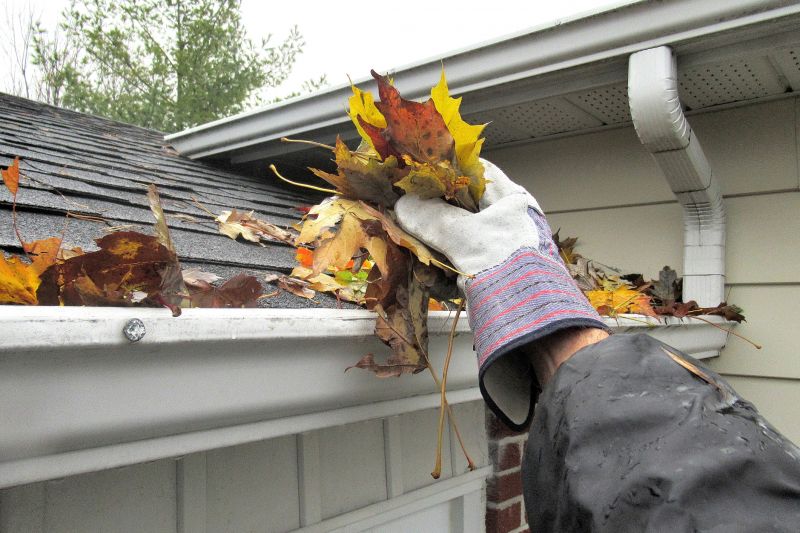
Eavestrough Clearing in Monmouth County, NJ
Eavestrough clearing services involve the removal of leaves, debris, and obstructions from the gutters that run along the edges of a property’s roof. This maintenance helps ensure proper water flow away from the foundation, preventing potential water damage, basement flooding, and landscape erosion. Projects can range from routine cleanings to more extensive work after storms or seasonal changes, and may include inspecting the gutters for damage or leaks to maintain their effectiveness over time. Property owners typically want to understand the scope of clearing services, what debris will be removed, and whether additional repairs or inspections are included as part of the process.
Before requesting eavestrough clearing, homeowners should consider the size and height of their property, as well as the accessibility of the gutters. It’s helpful to know if the project involves only surface debris removal or if it includes checking for clogs in downspouts and potential damage to the gutter system. Clarifying whether the service covers cleaning of all gutter sections and ensuring that the work will be thorough can contribute to long-term property protection. Being aware of these details can help property owners select the appropriate service for their needs and maintain the integrity of their drainage system.
Many property owners in Monmouth County, NJ look into Eavestrough Clearing for repairs, replacements, upgrades, and appearance-related improvements.
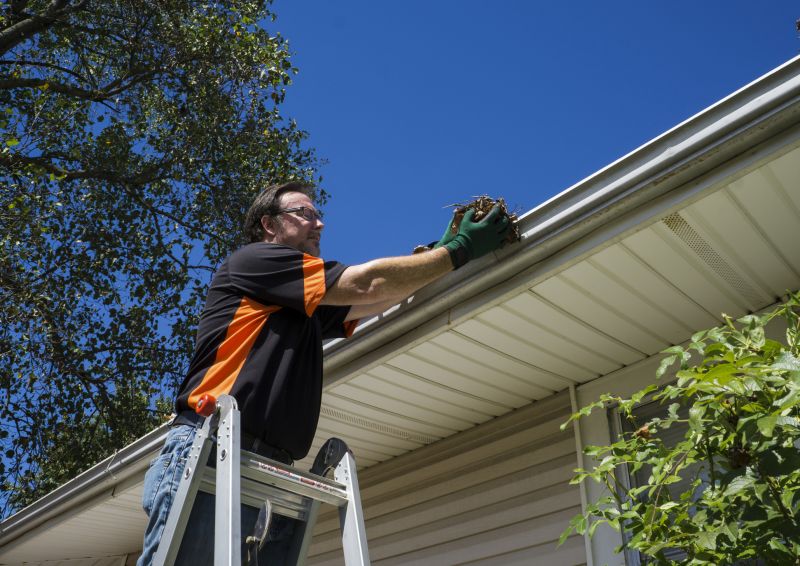
Eavestrough Maintenance
Regular clearing helps prevent water damage and keeps gutters functioning properly.
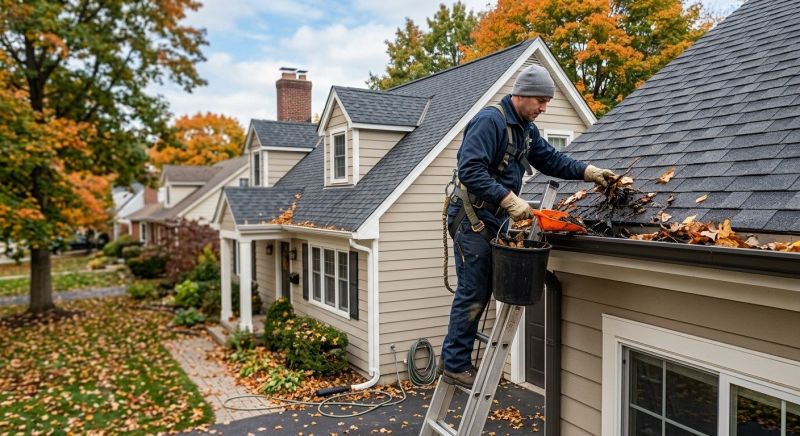
Clog Removal Services
Removing debris from eavestroughs ensures effective water flow during heavy rains.
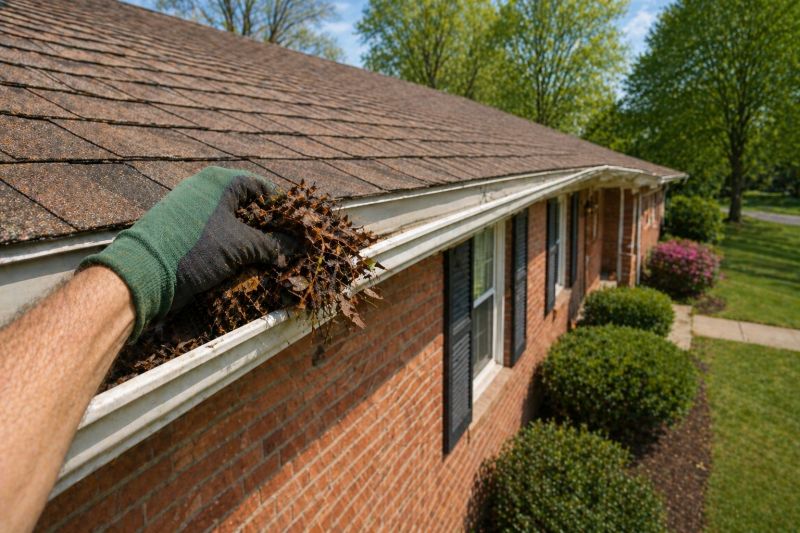
Gutter System Inspection
Professional inspections identify potential issues before they lead to costly repairs in monmouth county, nj.
Eavestrough Clearing in Monmouth County, NJ
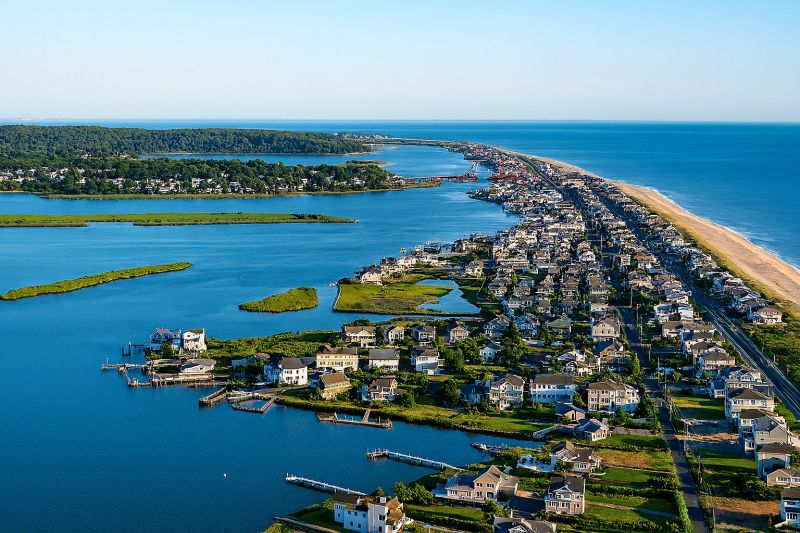
Eavestrough clearing services involve the removal of leaves, debris, and obstructions from the gutters that run along the edges of a property’s roof. This maintenance helps ensure proper water flow away from the foundation, preventing potential water damage, basement flooding, and landscape erosion. Projects can range from routine cleanings to more extensive work after storms or seasonal changes, and may include inspecting the gutters for damage or leaks to maintain their effectiveness over time. Property owners typically want to understand the scope of clearing services, what debris will be removed, and whether additional repairs or inspections are included as part of the process.
Before requesting eavestrough clearing, homeowners should consider the size and height of their property, as well as the accessibility of the gutters. It’s helpful to know if the project involves only surface debris removal or if it includes checking for clogs in downspouts and potential damage to the gutter system. Clarifying whether the service covers cleaning of all gutter sections and ensuring that the work will be thorough can contribute to long-term property protection. Being aware of these details can help property owners select the appropriate service for their needs and maintain the integrity of their drainage system.
Many property owners in Monmouth County, NJ look into Eavestrough Clearing for repairs, replacements, upgrades, and appearance-related improvements.
Common Eavestrough Clearing Jobs
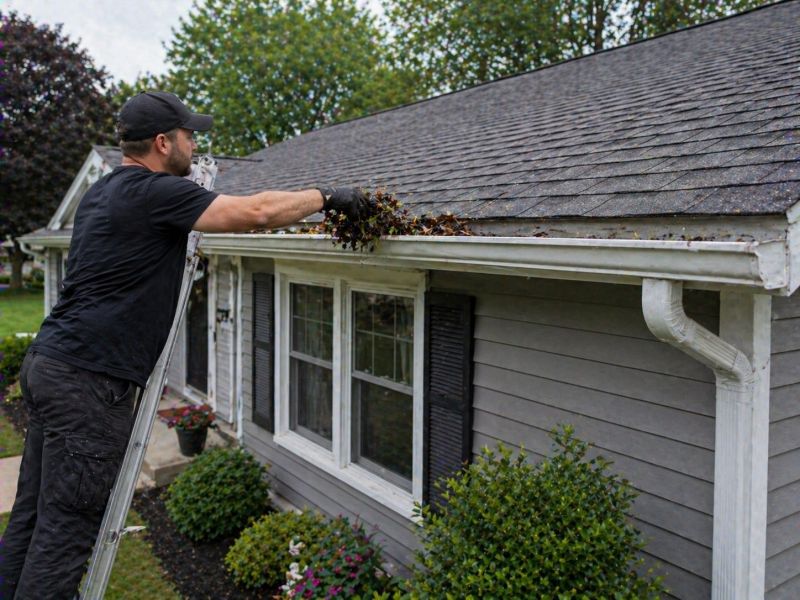
Eavestrough Cleaning - removal of debris and buildup to ensure proper water flow.
Gutter Inspection - assessment of eavestroughs for damage or blockages.
Clog Removal - clearing of leaves, dirt, and other obstructions from gutters.
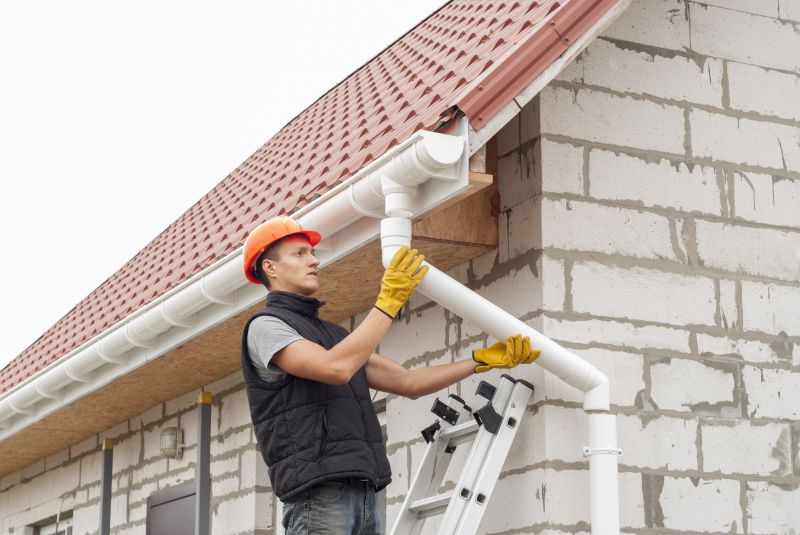
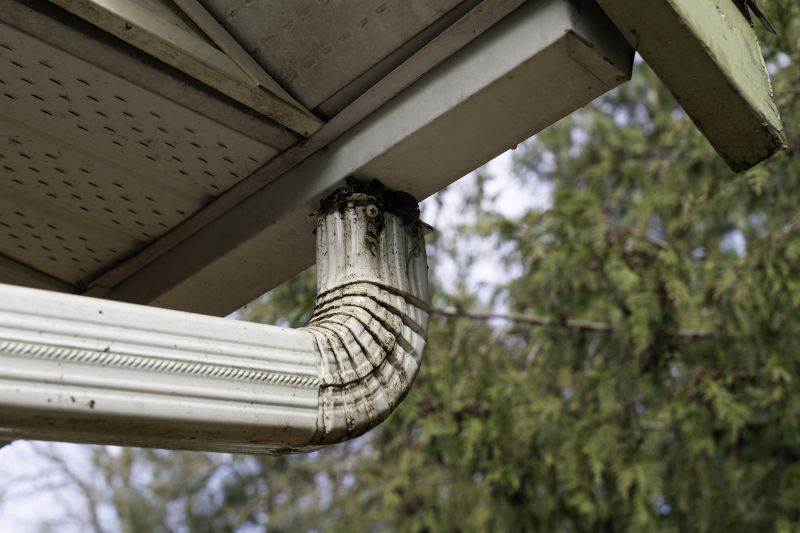
Downspout Clearing - unblocking of downspouts to prevent water backup.
Gutter Flushing - thorough rinsing to remove residual debris and improve function.
Preventative Maintenance - regular cleaning to help protect the property from water damage.
Eavestrough Clearing Questions
Why is Eavestrough Clearing important? Regular clearing helps prevent water damage, foundation issues, and basement flooding by ensuring proper drainage away from the property.
How often should eavestroughs be cleaned? Typically, twice a year is recommended, especially after heavy storms or during fall to remove leaves and debris.
What types of debris are commonly removed? Leaves, twigs, dirt, and small nests are common blockages that can cause water to overflow or back up.
Can clogged eavestroughs cause property damage? Yes, blockages can lead to water overflow, which may damage roofs, siding, and the foundation over time.
Request Eavestrough Clearing in Monmouth County, NJ
Use the quote form on this page to share the basics of your project and request more information for the type of work you need.